A home can support changing needs without feeling clinical. The most useful aging-in-place improvements often make a space more comfortable for everyone: children, guests, people carrying groceries and anyone recovering from an injury. Planning early gives you more design choices and lets upgrades happen alongside normal maintenance.
1. Create a safer, easier entry
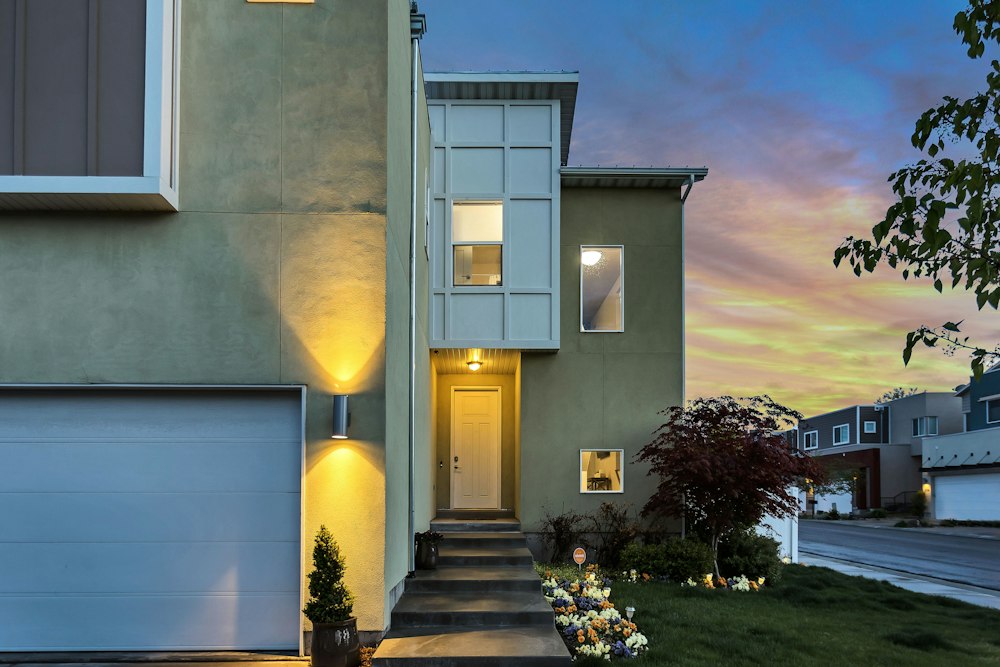
A no-step route from the sidewalk, driveway or garage can make a major difference. Where a fully level entry is not practical, consider a gently graded path, secure handrails, high-contrast step edges and bright lighting. A covered landing also provides space to unlock the door without balancing on a step.
2. Improve lighting and controls
Layered lighting reduces shadows and makes tasks easier. Add under-cabinet lights in the kitchen, focused fixtures near stairs and motion-activated lighting along nighttime routes. Rocker-style switches, outlets at reachable heights and simple smart controls can improve daily use without changing the character of the home.
3. Build a bathroom that works for more people
A curbless shower, slip-resistant flooring and a wider clear area improve access while creating a clean, modern look. Install blocking behind walls during a remodel so attractive grab bars can be added when needed. A handheld shower head, lever faucet and comfortable vanity height are small choices with lasting benefits.
4. Make the kitchen easier to navigate
Prioritize clear pathways and frequently used storage between knee and shoulder height. Drawers can be easier to use than deep lower cabinets. Pull-out shelves, lever handles and a section of counter at a flexible height help the kitchen adapt to different users while retaining a residential feel.
5. Plan for main-floor living
If bedrooms are upstairs, identify whether a den or office could become a future sleeping space. Access to a full bathroom and laundry on the same level can extend how long the home works without a major addition. In some houses, a well-designed accessory dwelling area can also support a caregiver or family member.
6. Reduce thresholds and trip hazards
Consistent flooring, flush transitions and well-secured rugs make movement easier. When replacing doors, consider wider openings and lever hardware. Outside, repair uneven paths and keep drainage from creating slippery areas near entries.
Prioritize the improvements that fit the house
Not every property needs every upgrade. Start with safety, then focus on the spaces used most often. If resale matters, choose durable materials and integrated design so the improvements read as thoughtful features rather than special-purpose additions.
Before structural or plumbing work, confirm permit requirements and consult experienced professionals. A coordinated plan can improve daily comfort now while protecting the home’s long-term usefulness.